

 Back
Back 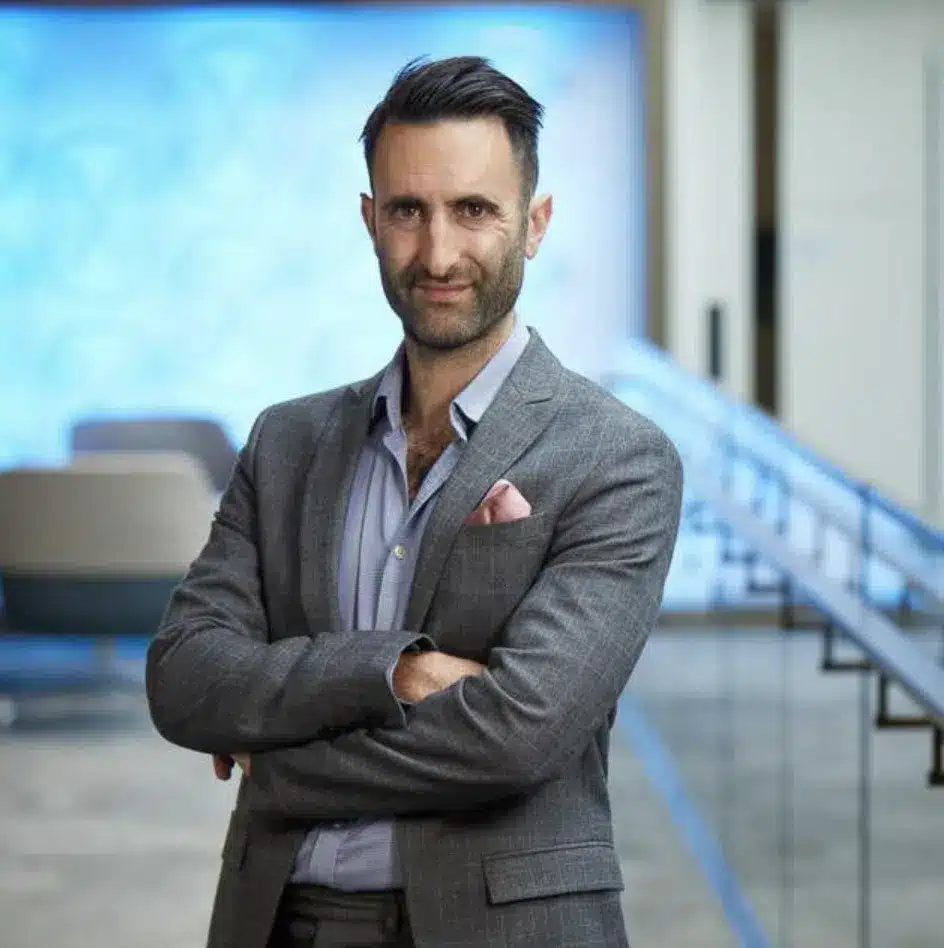

Michael Winter studied accounting and human resources management before forging his own path, specializing in nonprofit organizations.
His current position is with Lantern Community Services, a New York-based nonprofit that provides affordable and supportive pathways for people at risk of homelessness.
Accounting and Human Resources at Baruch College
Nick Levine: Can you tell me how you first got started on your journey to becoming a finance leader in the nonprofit sector?
Michael Winter: I started out studying at Baruch College, which is one of the top business colleges in the US. I initially majored in accounting, but I didn’t like it much, so I took up people management.
Nick Levine: Did you specialize in any particular area during your studies of these two subjects?
Michael Winter: Most of my studies were about the different ways you pay people. This gave me a different outlook. I initially wanted to work in the National Labor Relations Board because I really like collective bargaining.
Building Experience at the Partnership for New York City
Nick Levine: When you finished your studies, did you get your foot in the door at the National Labor Relations Board?
Michael Winter: No. I did some work on the campaign of my local congressman, who sat on their committee. He didn’t get me a job there, but he helped me get a position at the Partnership for New York City, a David Rockefeller-run nonprofit.
Nick Levine: That sounds like an incredible first opportunity to get right out of college.
Michael Winter: It was. At 25, I was working for David Rockefeller in board relations—directing the board and executive committee activities.
Nick Levine: Were you doing any accounting-related work in the role?
Michael Winter: I worked in the audit department for a full audit cycle while serving as essentially an assistant to the CFO and CEO. This allowed me to learn the audit cycles of one of the top nonprofits.
A Lifelong Passion For Nonprofits
Nick Levine: You’ve always worked at nonprofits your entire career, other than for a brief period at one private enterprise. What is it within you that drives this social purpose?
Michael Winter: My parents. My father was a private practicing attorney. He was very principled, as was my mother, who was a community leader and organizer. They both instilled the importance of feeling good about the work that you do.
Nick Levine: Before we talk about your current experience at Lantern Community Services, can you give me an overview of the other nonprofits you have worked for?
Michael Winter: Before joining Lantern, I worked for around a decade at Choose New Jersey. I previously worked in various entities that provided residential services to individuals with developmental disabilities. I’ve also worked in the settlement house movement here in New York, along with a few different things.
Nick Levine: What advice do you have for young people who seek out a career working in the finance departments of nonprofits?
Michael Winter: A great way for CPAs is to get a job as a grant analyst—it helps to understand the grant process. From there, understanding the grant process is critical to learning the audit process, as they are intertwined. Working in procurement can also be an effective way to get into nonprofits. Procurement touches all functions of an organization.
Lighting the Way to Permanent Housing
Nick Levine: Can you tell me what your current employer, Lantern Community Services, does?
Michael Winter: At Lantern, we support homeless people by running shelters, helping them move into more permanent housing, and providing a comprehensive social net of services.
Nick Levine: I know that your role at Lantern is extremely broad. What areas does it cover?
Michael Winter: My position encompasses several areas; I serve as the Chief Financial Officer, Chief Administrative Officer, Chief People Officer, Chief Technology Officer, and Chief Operating Officer. Overall, the company has around 400 staff and an additional 200 contractors.
Nick Levine: Can you provide some context on the finance side of the business?
Michael Winter: Sure. With the finance team, it’s about aligning them with programs to secure the contracts that drive impactful spending. I really try to drive the team to think about each transaction and its impact. I’ve trained them up and given them quite a lot of leeway, but along the way, instilling the value of using judgment.
Nick Levine: How has the performance of Lantern changed since you joined?
Michael Winter: Running things in New York isn’t easy, but we’ve grown from $15 million in revenue to around $56 million in the past five years. We’ve been able to achieve this by adopting strong systems and giving employees the autonomy to think for themselves.
Automated Systems for a Growing Mission
Nick Levine: To achieve that growth, you must have put some really slick and streamlined processes in place?
Michael Winter: Yes. We had a lot of manual, paper-based processes. I have 17 different supportive housing sites and five shelter sites. We have over 2,500 clients who rely on us for an array of services. This was all documented via paper audit trails that tied to the financial statements. This wasn’t efficient at all. I took all of these services and made them electronic.
Nick Levine: In practical terms, how did you achieve this?
Michael Winter: About five years ago, I brought in a solution, which serves as an open-access database we use for procurement and client management. It is set up across all our buildings, so we have an electronic footprint for all activities. No more paper, and client and financial reporting are now intertwined digitally.
Nick Levine: What has been the biggest win from making these changes?
Michael Winter: I’d say the biggest benefit is the efficiency of my finance team. I don’t have a big team, but I’ve trained them well for managing the change. I’ve rolled the processes out systematically and expect the next generation of finance hires to be even more productive.
Michael’s journey of digital transformation in the nonprofit sector is one of the many stories we are showcasing in the Next Gen Finance Leaders series. If you’ve enjoyed his story, you can read our other profiles and explore the full series below.