

In an era where negative experiences go viral and regulatory breaches make headlines, a compliant payment experience can make or break your gig platform.
Get it right, and you’ll build trust that attracts talent, investment, and clients. However, if you fail to keep up with local laws while delivering secure, accurate payments, compliance bottlenecks will stifle your growth.
This gig platform payment compliance guide outlines key requirements for classifying workers, managing taxes, and complying with international regulations. You’ll also learn how automation helps gig economy businesses stay compliant at scale.
Key Takeaways
- Gig platform payment compliance involves classifying and verifying gig workers, collecting relevant ID information, and filing accurate tax forms.
- Businesses must complete and submit documentation, such as W-9, W-8BEN, 1042-S, and 1099 forms for each gig worker.
- Global gig economy payments introduce extra compliance requirements, including sanctions screening, anti-money laundering, and data protection laws.
- Automating compliance helps finance teams cut manual effort, reduce errors, and scale payment volume efficiently.
Worker Classification: The Foundation of Gig Payment Compliance
Correctly classifying workers ensures you pay and treat them in accordance with the law. It’s a critical first step in establishing a compliant gig economy platform.
The IRS considers gig workers, like contingent workers, as self-employed contractors, not employees of your company. There are 3 factors that determine this:
- Behavioral. Gig workers typically have the freedom to decide what they do and how they work.
- Financial. Gig workers control how they receive compensation, which tools they use, and which expenses they cover.
- Type of relationship. Gig workers generally work on temporary projects. Work performed as a key aspect of the business, along with specific benefits (e.g., pension plan, insurance, and vacation pay), can indicate employee status.
The main difference between dealing with an employee and a gig worker is how your business handles taxes. While you’ll cover specific responsibilities and withholding taxes for W-2 staff (traditional employees), gig workers manage their own liabilities.
We’ll explore tax requirements in more depth soon.
What Happens If You Misclassify Gig Workers?
Getting status right is crucial to avoid financial and legal exposure. Misclassification risks:
- Back payments on unpaid taxes, Social Security, and Medicare contributions.
- Penalties and fines from tax authorities and labor regulators (often calculated per worker, per pay period).
- Retroactive benefits liability, including unemployment insurance, workers’ compensation, and health benefits that the worker should have received.
- Potential legal claims from workers seeking reclassification and back pay.
To complicate matters further, the rules for classifying gig workers differ by country.
For example, the EU’s Platform Work Directive establishes a rebuttable presumption of employment where the facts suggest a platform directs and controls the work. EU member states implement this presumption in line with their national law and practice—so the specific criteria vary by country. In the UK, status is determined by whether gig workers operate inside or outside IR35 regulations.
Additionally, in the US, different states have their own worker classification rules or tests, such as California’s ABC test, which closely follows IRS classification.
What’s clear is that regulators are moving towards closer scrutiny of platform work. If you operate globally (or plan to), conflicting rules highlight the importance of prioritizing cross-border payment compliance from the start. Tackling it later risks financial and reputational damage you might struggle to recover from.
Note: If you’re unsure whether a worker is an employee or a gig worker, you can submit an SS-8 form to the IRS. They’ll review the facts and circumstances to officially determine the status.
Tax Reporting Requirements for Gig Economy Payments
After classification, tax documentation is the next crucial layer of compliance. Gig platforms have to get this right when they onboard workers and throughout the year as payments accumulate.
Incomplete forms can prevent gig workers from getting started, delaying projects and creating a frustrating user experience.
Additionally, missing information can hinder reporting and potentially trigger regulatory penalties. The IRS imposes steep penalties for “intentional disregard” of filing requirements. These can apply if you knowingly fail to fix data errors or ignore filing mandates.
Here are the core tax documentation and reporting obligations you need to know to avoid misclassification and reduce downstream risk.
W-9 Collection for US-Based Workers
All domestic independent contractors must complete a W-9 form before receiving payment. This collects details such as:
- Legal name
- Business name (if applicable)
- Tax classification
- Tax Identification Number (TIN)
Accurate information enables you to issue accurate IRS 1099 forms at year-end.
It’s best practice to collect W9s during onboarding. Chasing them down later increases workload for finance teams at the busiest time of the year, putting your business at risk of missing deadlines.
Tip: Check out Tipalti’s W-9 form guide to learn how to complete and automate W-9 form collection for 1099 returns.
W-8BEN / W-8BEN-E for Foreign Individuals and Entities
W-8BEN (for individuals) and W-8BEN-E (for entities) are the W-9 equivalent for non-US workers.
These forms certify a gig worker’s foreign status and allow platforms to claim a reduced withholding rate under a tax treaty between the US and the worker’s home country, where applicable.
For example, a freelancer in the UK could see a reduced withholding rate under the US-UK Income Tax Treaty.
Without a valid W-8BEN, you’ll generally be required to withhold at the 30% default rate. Over-withholding can create friction for gig workers who’ll need to file a refund claim with the IRS to recover funds they’re owed.
1042-S for Foreign Payee Reporting
Form 1042-S is the reporting counterpart to W-8BEN and W-8BEN-E for foreign payees.
Platforms use this to report US-source income paid to non-resident individuals or entities over the year, including any withheld tax.
If you’re paying international gig workers, you’ll need to file a 1042-S in addition to (not instead of) your 1099 tax obligations for your US-based workforce.
1099 Reporting Thresholds
Gig platforms need to track 2 different 1099 form thresholds, depending on how you pay gig workers.
- Form 1099-NEC applies if your platform pays contractors directly for services and payments totaling $2,000 or more in a calendar year.
- Form 1099-K applies when payments are processed through a third-party payment network—more common among gig economy platforms and marketplaces that process high volumes of payments. The threshold is currently $20,000 in payments, plus 200 transactions in a calendar year.
Current thresholds were rolled out in 2026 under Section 70433 of the One Big Beautiful Bill Act (OBBBA).
Most platforms will file one or the other. Understanding the distinction is important to ensure compliance and prevent confusion for gig workers managing their own tax filings.
Regardless of which form applies to you, the same challenges exist. As your company grows, you may need to submit thousands of 1099s every year—and check that TIN details match IRS records for each one.
For manual processes, this quickly puts massive strain on your team, leading to messy data and small errors that create major rework.
To mitigate this, successful finance leaders implement automated tax compliance to standardize data collection and ensure accuracy before money changes hands.
Security and Regulatory Compliance for Gig Worker Payments
Strategic security and regulatory compliance reduce financial penalties, fraud risks, and reputational damage, while building operational efficiency and user trust.
National and global regulatory requirements are a patchwork of obligations. Here’s an overview of rules and practices you may be subject to.
Know Your Customer (KYC)
KYC involves checking a gig worker’s identity during onboarding by verifying their government ID and matching it against tax documentation.
KYC is a standard requirement across most regulated payment chains, though whether the obligation sits with the platform (if you handle payments), the payment processor, or both depends on your regulatory context and how payments are structured.
Anti-Money Laundering (AML) Screening
AML rules require platforms to screen payees against international sanctions and watch lists. You also need to monitor payments for signs of suspicious activity, such as unusual volume or atypical transaction patterns.
The Financial Action Task Force (FATF) sets international standards and recommendations to stop illegal money flows, which national regulators translate into enforceable law.
While KYC checks are part of the onboarding process, AML is an ongoing obligation that platforms must build into their systems, regardless of which party bears the direct regulatory burden.
A dedicated global payout solution will often support AML and KYC as standard. Tipalti, for example, collects required information and documentation during onboarding. Built-in fraud protection then tracks relevant data points to proactively detect unusual patterns before they become a threat.
Here’s a view of how Tipalti Detect automatically notifies stakeholders of potential payee or payment risks that warrant further investigation.

This helps finance teams identify potential payee and payment risks before funds are released.
Data Protection Frameworks
Data protection frameworks govern how you secure the information you collect and store, such as IDs, bank details, and other personal information.
Here’s a breakdown of US and global standards relevant to gig worker payments:
| Privacy/Regulatory Requirements | ||
| General Data Protection Regulation (GDPR) | Any organization processing EU citizens’ data (regardless of company location) must adhere to strict processing or storage requirements, with significant penalties for non-compliance. | |
| California Consumer Privacy Act (CCPA) | Grants California residents control over their personal data, including the right to know what’s collected, the right to opt out, and the right to delete. | |
| Security and Compliance Standards/Frameworks | ||
| Payment Card Industry Data Security Standard (PCI DSS) | Helps businesses store, process and send credit card data safely. | |
| System and Organization Controls 2 (SOC 2) | Helps cloud and software businesses maintain security, availability, processing integrity, confidentiality, and privacy of customer data. | |
| ISO/IEC 27001 | An internationally recognized standard for information security management systems.Helps protect sensitive data, stop cyber threats, and manage risk safely. | |
Over half (55%) of finance teams surveyed in Tipalti’s Global Finance Outlook report are spending more time on international business than in previous years. Additionally, 43% say they’re dealing with more compliance issues.
For platforms scaling globally, smooth onboarding and payment cycles require robust risk management and compliant technology.
Note: This isn’t a comprehensive list of all major international regulations. To avoid unexpected penalties and reputational damage, ensure you understand all regulations that govern compliance in your operational countries and territories.
Cross-Border Compliance for Global Gig Platforms
Cross-border compliance refers to the processes platforms follow to ensure international payments comply with the laws of the jurisdictions where they pay contractors.
KYC and AML checks, as well as data protection regulations, apply in many countries. However, as you expand, additional regulatory factors come into play. Here are some complexities to prepare for.
Multi-Country Tax ID Validation
If your platform pays US gig workers, your system needs to verify Social Security Numbers. However, opening your platform to gig workers in the UK may require them to provide National Insurance Numbers and Unique Taxpayer References. To operate in India, you’ll require a PAN.
To make things more complex, each country formats these numbers differently. Correct validation is crucial to:
- Comply with KYC/AML laws
- Ensure correct withholdings
- Protect against rejected tax filings
As you scale gig economy payments, complexity grows at the same rate and errors compound.
To handle cross-border compliance, leading platforms switch to automated contractor onboarding to capture data and streamline validation. Verifying information up front prevents ID or tax form issues from causing headaches down the line.
Local Payment Method Considerations
In some jurisdictions, payment methods intersect with financial regulations. Adhering to these is crucial for maintaining compliance and driving growth.
Not connecting your payment rails to local reporting layers can result in frozen funds, regulatory penalties, and delayed disbursements.
With 84% of freelancers saying they would choose instant payouts given the option, real-time payments aren’t a perk. They’re an expectation that influences whether a gig worker chooses you over a competitor.
Keep your target markets in mind when building your gig platform. Treating local payout methods as part of your core experience will help you attract talent and build the trust to retain them.
Build a gig economy platform that scales without friction
Don’t wait for payments and compliance to fail under pressure before acting. Learn how to create a global payment infrastructure that’s ready to attract talent from the start.
DAC7 Compliance
DAC7 (Directive on Administrative Cooperation 7) requires platforms operating in the EU to report seller and transaction data to tax authorities annually.
It exists to ensure gig workers and companies pay the right amount of tax on platform-generated income. Enforcing it helps reduce offshore tax havens while creating a level playing field for businesses.
Platforms must collect and verify seller information, such as:
- VAT IDs
- TINs
- Payment details
- Addresses
Reports are due annually by January 31 for the previous calendar year and filed in an EU Member State. Missing a deadline or failing to file complete reports can lead to a fine, account restriction, or withheld payments, depending on the EU country.
For platforms already managing 1099 obligations, DAC7 timing overlaps with 1099-NEC reporting windows, placing added pressure on finance teams.
To combat this burden, global platforms should streamline data collection, validation, reporting, and monitoring in a single system.
A unified process ensures accurate information throughout the payment cycle, consistently applying the relevant checks to support compliance across all jurisdictions.
How Long Do Gig Platforms Need to Keep Tax and Compliance Records?
Maintaining rigorous compliance records serves as your defense against legal, financial, and operational risk.
The IRS generally requires businesses to retain tax records, including W-9/W-8 and 1099/1099-K filings, for 3 years from the filing date. However, you may need to keep records for up to 6 years if they suspect or identify income underreporting.
Other jurisdictions, including the EU and UK, require you to retain records for 5 years.
To stay review-ready, it’s best practice to securely store compliance agreements, onboarding logs, and transaction data for 7 years.
Automating record-keeping by syncing onboarding and transaction data with your ERP and HR systems ensures accurate data flows through your system. It allows finance teams to effectively scale and track records as your company expands to new markets.
A comprehensive document trail enables you to prove proper forms were issued, details are correct, and workers are correctly classified in the event of a regulatory audit.
Why Gig Platform Payment Automation Is Critical for Managing Compliance at Scale
Gig platform payment automation allows your company to increase transaction volume without compromising compliance.
Automating routine jobs like tax form collection, verification, and disbursement in a single place reduces manual effort and human errors. It allows teams to onboard and pay gig workers efficiently anywhere.
With finance automation software using AI to run regulatory checks and sync data, fewer payment issues go unnoticed, and irregular activity shows up before it impacts compliance.
Additionally, advanced systems update processes centrally in line with evolving regulatory requirements, helping you keep pace without relying on manual input.
In doing so, automation solves many of the key payment challenges hindering growth. According to Tipalti’s Global Finance Outlook survey:
- 83% of finance teams report increasing workload as global expansion, tariffs, and evolving regulations outpace outdated systems.
- 72% of teams struggle to keep up with evolving international tax regulations.
- Teams lose an average of 11 hours every week to manual tasks.
Switching to automated compliance eases the strain on finance teams, without the need to increase headcount.
As a result, professionals spend less time on operational tasks less suited to their skill set and more time on work that moves the company forward.
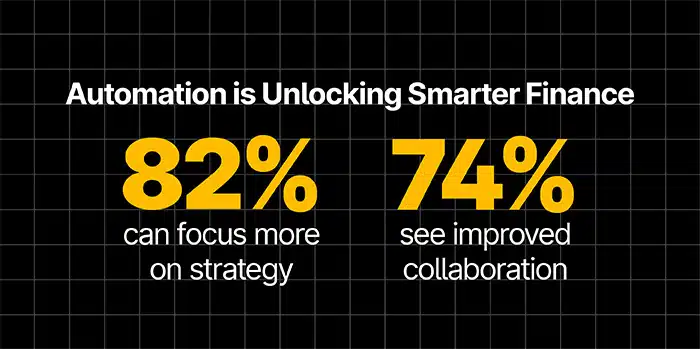
Tipalti’s research also shows that 82% of finance leaders say automation enables them to focus more on strategy, while 74% see improved collaboration.
How Tipalti Supports Gig Worker Payment Compliance
Tipalti Mass Payments provides the global payment infrastructure for fast-growing gig platforms to manage compliance at scale.
Tipalti users reach over 6M payees worldwide, paying contractors in 120 local currencies, across 200+ countries through their preferred payment method. That diversity extends to compliance.
Thousands of leading companies use Tipalti to:
- Collect gig worker tax details and payment preferences in a self-service onboarding portal, without manual input from finance teams.
- Extract W-9/W-8 data from payee tax forms via an AI Tax Form Scan Agent to accelerate onboarding.
- Automatically apply TIN validations and compliance controls globally to ensure safe, accurate payments.
- Screen payees against OFAC sanctions lists and proactively monitor international payouts for suspicious activity without separate systems.
- Generate self-billing invoices on gig workers’ behalf, so finance teams aren’t left to chase contractors for submissions.
- Integrate payment data to existing ERP, accounting, and HR systems, so compliance data stays in sync across the tech stack.
For example, here’s how Tipalti’s tax compliance solution helps users submit the right W-9 or W-8 series tax forms during onboarding.
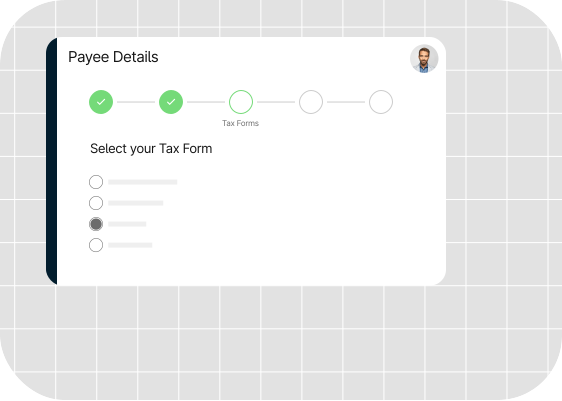
Allowing gig workers to input their own details cuts back-and-forth email chains. Freelancers start earning and improving their cash flow faster, while finance teams streamline workload.
Tipalti’s built-in KPMG-approved tax engine automatically validates tax IDs and TINs against more than 26,000 global rules during the onboarding flow to prevent errors before you issue payments.
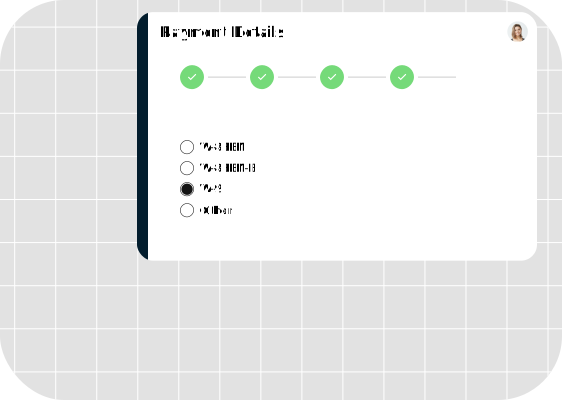
Additionally, the system calculates the right tax withholding and prepares year-end data for 1099 and 1042-S tax reporting and eFiling. It means finance teams reach tax season with compliant data, rather than scrambling to rectify errors ahead of looming deadlines.
Case Study: How SmartShoot Used Automation to Save Time and Scale Efficiently
SmartShoot relied on a manual system to make thousands of payments to freelancers every month. Taking 2 full days each month to pay creative talent and send out payment notification emails was hindering growth.
By implementing Tipalti Mass Payments, the on-demand photography and videography company reduced payment processing time to just minutes, saving 24 days per year while avoiding the risk of US and global tax penalties.
The efficiency gain allowed the company to scale operations nearly 40 times without increasing headcount, freeing up finance to lead strategic corporate development. Streamlining payments and onboarding also improved relationships with freelancers.

Every single part of our process, from onboarding filmmakers and collecting and validating their tax information to paying them, had to be global and scalable. Implementing Tipalti was the answer; it was a win-win-win for us.
John Pfeister
Head of Finance, SmartShoot
Make Gig Economy Compliance a Competitive Advantage
In a market where gig workers have more choice than ever in the platforms they trust, gig platform payment compliance is both table stakes and a competitive advantage.
Consistently meeting diverse requirements doesn’t have to hinder growth or payee experience.
With the right infrastructure, your team can build a strong freelance network and meet the demands of regulators worldwide.
Automated payment solutions make it possible by reducing errors, improving visibility and keeping you tax-compliant across borders.
See how Tipalti’s gig economy payment platform simplifies compliance and helps you scale efficiency.
Gig Platform Payment Compliance FAQs
Do gig workers pay FICA?
No, FICA (Federal Insurance Contributions Act) taxes are specifically for traditional employees. Instead, US gig workers pay SECA (Self-Employed Contributions Act) tax on net earnings (generally over $400 net profit) via IRS Schedule SE submissions. This covers the same Social Security and Medicare obligations as FICA.
What is payment compliance?
Payment compliance is the process of meeting the legal, tax, and regulatory requirements that apply when paying gig workers, freelancers, partners, or suppliers. It involves:
• Correctly classifying workers
• Collecting and verifying tax documentation
• Performing KYC and AML checks
• Maintaining and filing accurate reports
• Following data protection obligations
Compliant payments mean every payment links to a verified identity, correct tax treatment, and a documented compliance trail.
How do platforms avoid misclassifying workers as employees?
Evaluate your working relationships against regulatory frameworks and tests for each country or territory. IRS common law rules, California’s ABC test, and the EU Platform Work Directive provide guidance for appropriate classification.
Factors such as control over how work is performed, business expenses, and the ability to serve multiple clients may be relevant to classification depending on the jurisdiction.
What are the tax reporting mandates for global payouts?
Tax reporting mandates vary by worker location. Core requirements include:
• Collecting local payee identification, such as W-8/W-9 series forms or regional equivalents.
• Tracking cross-border withholding tax with local authorities, such as IRS 1099-NEC/1099-K, 1042-S, or EU DAC7.
• Adhering to international reporting standards, such as Country-by-Country Reporting (CbCR) for multinational enterprises.
What laws govern cross-border digital marketplace payments?
Global digital marketplaces and gig platforms are governed by a patchwork of decentralized international standards, regional rules, and local compliance mandates. Key frameworks include:
• Financial Action Task Force (FATF)
• AML guidelines
• KYC verification
• OFAC sanctions screening
• EU Payment Services Directive (PSD2/PSD3)
• SEPA for standardized Euro payments
• Local tax liability rules, such as IRS and VAT returns
• Regional data privacy laws, such as GDPR
