

 Back
Back 

How Remittance Methods and Currency Issues Affect Global B2B Payables
From transaction and conversion fees to reliability, no single payment method works optimally in every situation. Understanding the effect of global payment remittance is critical to creating a payables strategy that:
- Ensures greater delivery success
- Reduces the risk of losing payees
- Scales with global initiatives
Payee Preferences
- PayPal
- Check
- Wire
- ACH
- Prepaid Debit
- eCheck
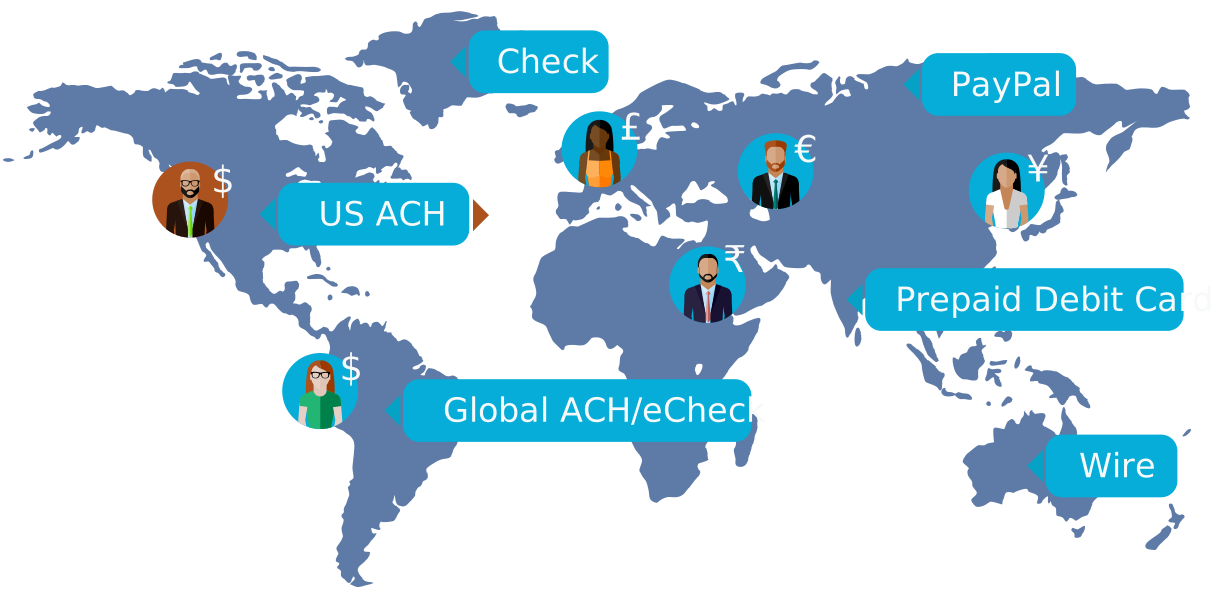
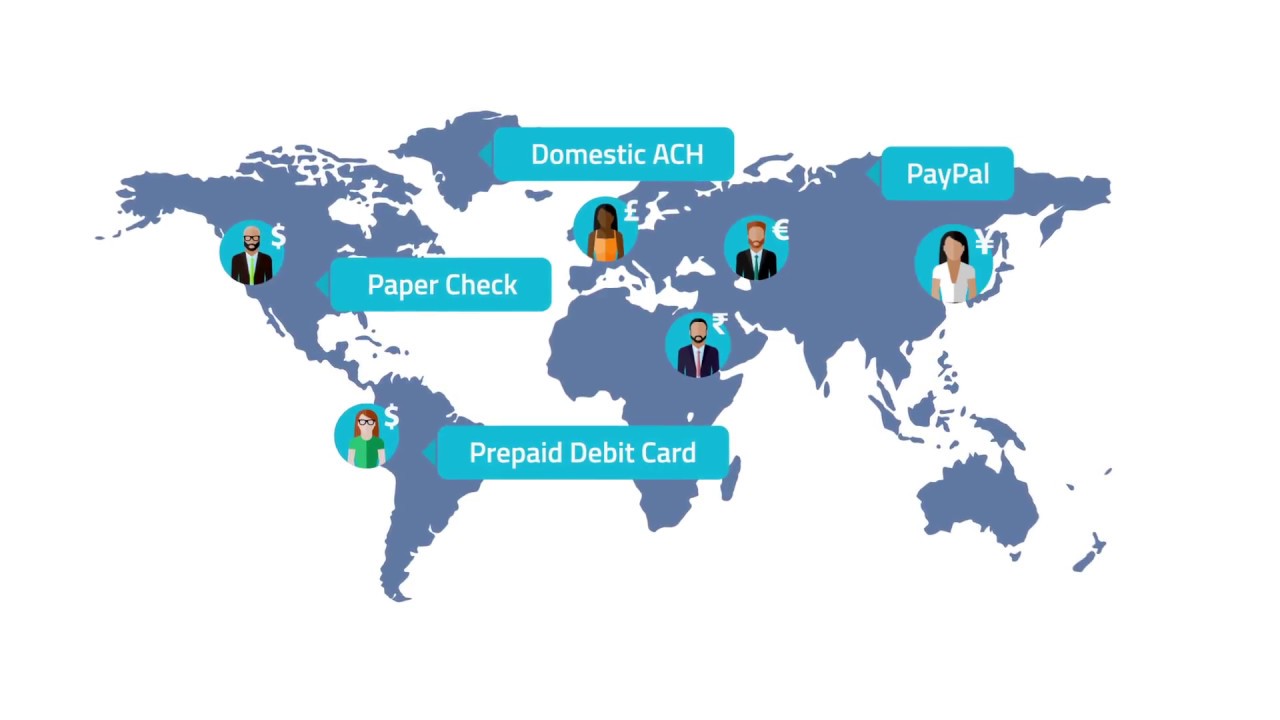
The map above indicates the top payment methods for each country based on real data from Tipalti. How payees want to be paid depends on the country and transaction amount. Fees and banking infrastructures vary by payment method and that determines how much overhead is associated as well as the deliverability of the remittance. Even within a single country, there’s room for payment diversity.
At Tipalti, we’’’re constantly analyzing transactions to 200+ countries and 3 million payees to understand which methods are the most preferred.
Note: Even though payees may have expressed a preference, that method may not always be the most optimal. Payees don’t always consider the best option, and instead pick the most convenient, so it’s important to educate them what the tradeoffs are.


|
Andorra | 40.0% |
|
|
United Arab Emirates | 27.2% |
|
|
Anguilla | 0.0% |
|
|
Albania | 3.4% |
|
|
Armenia | 0.0% |
|
|
Austria | 84.2% |
|
|
Australia | 82.7% |
|
|
Bosnia and Herzegovina | 2.4% |
|
|
Barbados | 0.0% |
|
|
Bangladesh | 22.5% |
|
|
Belgium | 71.3% |
|
|
Bulgaria | 31.6% |
|
|
Bahrain | 10.5% |
|
|
Bermuda | 100.0% |
|
|
Brunei | 0.0% |
|
|
Bolivia | 66.7% |
|
|
Brazil | 11.1% |
|
|
Bahamas, The | 75.0% |
|
|
Canada | 44.5% |
|
|
Switzerland | 42.4% |
|
|
China | 1.4% |
|
|
Costa Rica | 0.0% |
|
|
Curaçao | 0.0% |
|
|
Cyprus | 25.3% |
|
|
Czech Republic | 44.0% |
|
|
Germany | 84.0% |
|
|
Denmark | 76.4% |
|
|
Dominican Republic | 1.3% |
|
|
Algeria | 0.0% |
|
|
Estonia | 36.9% |
|
|
Egypt | 10.2% |
|
|
Spain | 78.2% |
|
|
Finland | 78.4% |
|
|
Fiji | 100.0% |
|
|
France | 78.4% |
|
|
United Kingdom | 78.6% |
|
|
Guernsey | 0.0% |
|
|
Ghana | 15.4% |
|
|
Gibraltar | 0.0% |
|
|
Greece | 93.6% |
|
|
Guatemala | 41.2% |
|
|
Hong Kong | 7.5% |
|
|
Honduras | 0.0% |
|
|
Croatia | 59.4% |
|
|
Hungary | 65.9% |
|
|
Indonesia | 9.6% |
|
|
Ireland | 64.7% |
|
|
Israel | 16.2% |
|
|
Isle of Man | 28.8% |
|
|
India | 69.3% |
|
|
Iceland | 0.0% |
|
|
Italy | 88.6% |
|
|
Jersey | 27.7% |
|
|
Jamaica | 0.0% |
|
|
Jordan | 61.3% |
|
|
Japan | 73.8% |
|
|
Kenya | 22.8% |
|
|
Cambodia | 0.0% |
|
|
Saint Kitts and Nevis | 0.0% |
|
|
Korea, South | 72.0% |
|
|
Kuwait | 68.8% |
|
|
Cayman Islands | 0.7% |
|
|
Lebanon | 0.0% |
|
|
Saint Lucia | 0.0% |
|
|
Liechtenstein | 0.6% |
|
|
Sri Lanka | 45.0% |
|
|
Lithuania | 41.9% |
|
|
Luxembourg | 52.3% |
|
|
Latvia | 26.5% |
|
|
Morocco | 79.8% |
|
|
Monaco | 7.7% |
|
|
Montenegro | 78.8% |
|
|
Macau | 20.0% |
|
|
Malta | 53.7% |
|
|
Mauritius | 0.0% |
|
|
Mexico | 75.0% |
|
|
Malaysia | 14.0% |
|
|
New Caledonia | 100.0% |
|
|
Nigeria | 0.9% |
|
|
Netherlands | 72.9% |
|
|
Norway | 82.7% |
|
|
Nepal | 60.6% |
|
|
New Zealand | 73.6% |
|
|
Oman | 100.0% |
|
|
Peru | 8.0% |
|
|
French Polynesia | 100.0% |
|
|
Papua New Guinea | 100.0% |
|
|
Philippines | 72.2% |
|
|
Pakistan | 70.7% |
|
|
Poland | 31.2% |
|
|
Portugal | 74.2% |
|
|
Paraguay | 0.0% |
|
|
Qatar | 33.3% |
|
|
Romania | 42.9% |
|
|
Russia | 23.4% |
|
|
Saudi Arabia | 89.4% |
|
|
Sweden | 67.6% |
|
|
Singapore | 28.7% |
|
|
Slovenia | 52.3% |
|
|
Slovak Republic | 71.6% |
|
|
San Marino | 63.6% |
|
|
Senegal | 100.0% |
|
|
Togo | 0.0% |
|
|
Thailand | 76.3% |
|
|
Turkey | 54.1% |
|
|
Trinidad and Tobago | 0.0% |
|
|
Taiwan | 27.1% |
|
|
Uganda | 25.0% |
|
|
Uruguay | 0.0% |
|
|
Vietnam | 38.5% |
|
|
Kosovo | 87.8% |
|
|
South Africa | 70.7% |
|
|
Zambia | 0.0% |
1. Getting Payment Data Right
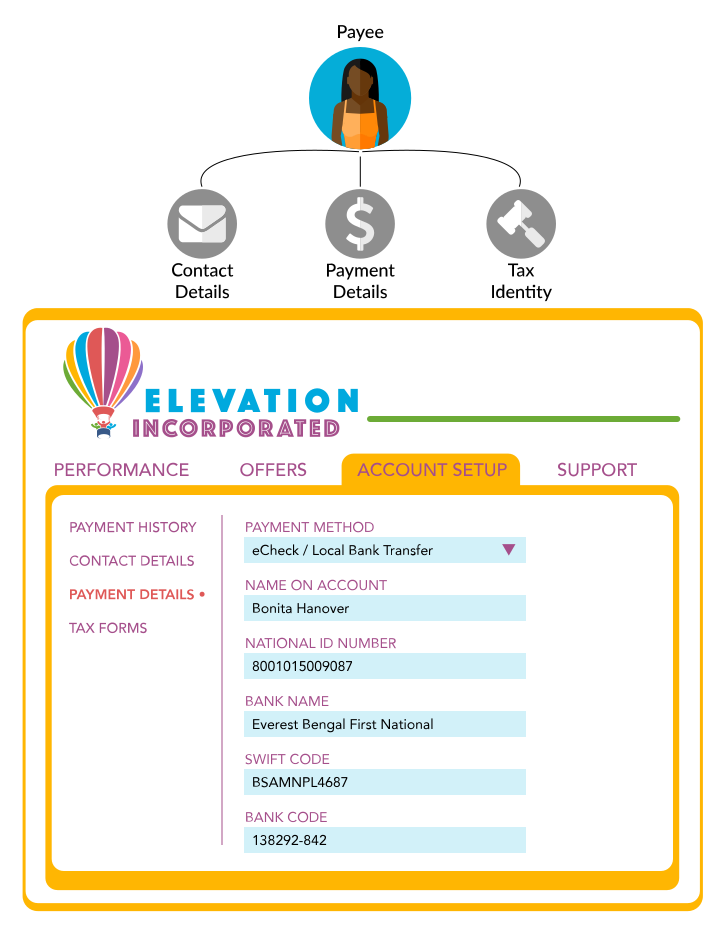
Preventing payment issues requires that the correct payee information is collected. While it’s possible to have your finance team communicate individually with each payee to ask how they would like to be paid, this is by far the least efficient and least secure approach.
Instead, put the responsibility on the payee to supply their payment information.
Use a secure portal that asks payees for their payment information, including nuanced elements such as their desired payment method, currency preference, and bank routing codes (e.g. IBAN and SWIFT codes when necessary). Collecting and validating this information up front prevents remittance issues later.
If you decide to build your own portal to accomplish this, note that your developers will need to update the thousands of rules required to collect this information.
2. Simplifying the Payment Process
Rather than making your global payments through individual banking portals, run all outbound payments through a single point.
Controlling payments from a single point is much easier and more secure than managing multiple payment branches. While this requires a programmatic interface to connect to the various bank rails, it ultimately reduces the manual effort and payment errors.
Centralizing payments also simplifies reconciliation processes later.
Tipalti’s global mass payment capability enables you to pay thousands of suppliers in a matter of clicks:
- Schedule Thousands of Payments
- Pay to 200+ Countries in 120 Currencies
- Supports Multiple Payment Methods
- Built-In OFAC and Other Sanctions Screening
- Enterprise-Grade Financial Controls